
Contact Us Today 866.686.7867

Thursday, February 20, 2014

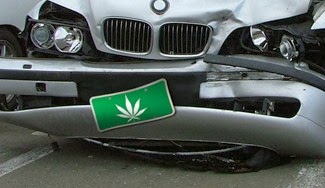
Still no Field Sobriety Test for Marijuana


Photo Credit
How do police identify a stoned driver?

The standard field sobriety test involves having a driver walk heel to toe, turn on one foot and walk back heel to toe and stand on one leg for 30 seconds. This is said to catch almost 90% of drunk drivers - but does it do the same for stoned drivers?

According to an article published in the New York Times it does not. In fact, only 30% of stoned drivers with THC in their systems fail these motor skills and the rates are even lower for veteran stoners who are used to being high.

Crafting a standard field sobriety test that works for marijuana is becoming increasingly important as states legalize its recreational and medical use. Still little is known about how dangerous it is to drive under the influence of THC compared to alcohol or even how to test for marijuana impairment.

Marilyn Huestis with the National Institute on Drug Abuse said, “Our goal is to put out the science and have it used for evidence-based drug policy…but I think it’s a mishmash.” Trying to add strict guidelines for driving under the influence of marijuana to already the blurred lines between federal and state laws on marijuana use is bound to be challenging.

Nevertheless something needs to be done as access to and use of marijuana continues to rise in states like Colorado. Glenn Davis, highway safety manager at the Department of Transportation in Colorado explained, “We’ve done phone surveys, and we’re hearing that a lot of people think D.U.I. laws don’t apply to marijuana. And there’s always somebody who says, ‘I drive better while high.’ ”

In our Colorado addiction treatment center, doing things better while high is a common belief among addicts and part of the denial component of active addiction. By convincing themselves that they clean, drive, socialize or perform better professionally or academically while high allows addicts to continue justifying their addiction. Over time they realize they actually do everything better while sober - as evidence suggests with driving. A widely accepted estimate based on several research reports have determined that any measurable amount of TCH in a driver gives them a twofold risk of an accident.

Thursday, February 13, 2014

Addiction Treatment After Naloxone

Photo Credit
California is now following the footsteps of Colorado and other states that allows the use of naloxone or Narcan, an FDA approved, non-addictive drug that prevents heroin overdose.

California Governor Jerry Brown signed Assembly Bill 635 into law, which took effect on January 1st of this year permitting the use of naloxone by non-medical professionals across the state. Just this week, Gil Kerlikowske the White House Director of National Drug Control Policy highlighted the effectiveness of naloxone as one of many attempts to limit the rise of heroin abuse and overdose in the US. Currently, more than 100 overdose deaths occur from heroin abuse in the US each day. The death of Philip Seymour Hoffman last week was one of an estimated 700 that occurred that week.

Naloxone works by preventing both heroin and addictive opiate pills like OxyContin and percocet from binding to receptors that are responsible for recessing breathing. Heroin overdose deaths occur when breathing has slowed down until it has stopped entirely. By injecting patients with naloxone, emergency rooms and emergency workers have reversed an estimated 10,000 overdoses.

Colorado, and now California, have permitted access to naloxone by those most likely to need it where it can prevent overdoses - such as drug users, addiction counselors and family members of addicts. They are allowed to administer the drug without any criminal or civil liability. Colorado Gov. John Hickenlooper signed Colorado’s version of the bill - Senate Bill 14 - into law in May 2013.

Naloxone essentially puts out the fire for those in active addiction on the brink of an overdose. Harmony Foundation's drug detox and drug rehab program helps heroin and prescription pill addicts extinguish their active addiction in general, so that they no longer live in fear of overdose. If you or a loved one is at risk of an overdose, our Colorado addiction treatment program can help lay the foundation of recovery and abstinence - lowering the risk of overdose or the need for naloxone.

Thursday, February 6, 2014

Philip Seymour Hoffman: The Disease of Addiction Doing Pushups

For many recovering addicts, the tragedy of Philip Seymour Hoffman was a humbling reminder that no matter how many years someone has sober, the disease is still there - doing proverbial “pushups” and that relapse is never off the table.

The disease of addiction progresses even when addicts are not using, which is hard for addicts and others to wrap their minds around until they hear real life tales of how this happens. Hoffman’s story is a very real life example of this: police reported to several news agencies they found 5 empty bags and 65 additional bags full of heroin in his apartment the night he died. He got sober in his early 20s, remained sober for 23 years and just a few years later overdosed with heroin in extreme excess. This is a classic case of the disease doing push ups and progressing even after laying dormant for over 20 years.

Sentiments of sadness spread through sober communities across the US after his death along with those of frustration over the varying public opinions on what addiction is, many of which were expressed in a way that suggested addicts purposefully choose their demise. It makes those in recovery want to tell the world how it really is - but then they harness the principals of the program and let the opinions of others live and let live.

Aaron Sorkin who is in recovery from addiction wrote a poetic piece yesterday for Time that shed some light on addiction and relapse in response to varying opinions. He said Hoffman wasn’t acting on choice; “He didn’t die because he was partying too hard or because he was depressed — he died because he was an addict on a day of the week with a y in it” - suggesting that when the disease of addiction is active, it doesn’t matter what day of the week it is or what sentiments surround substance abuse, it just takes over everything, including lives, because it is real.

Because we understand the disease of addiction, its progression and the reality of relapse, Harmony Foundation specializes in relapse prevention and treatment. We help addicts identify the triggers that can lead to a relapse and welcome those who have relapsed back into our care. We try to intervene before tragedy strikes and lay our hearts heavy when it does. Our hearts, thoughts and prayers go out to Philip Seymour Hoffman and his friends and family and all others who have lost their lives to this terrible disease.

Sunday, February 2, 2014

Illicit Behavior and Super Bowl Sunday

Photo Via

Today is Super Bowl Sunday when many parties abound that lead to overindulgence in eating, drinking and other self-defeating behaviors.

Many who are newly sober find this day difficult because beer and watching football are portrayed by the media to go perfectly hand in hand. In fact, beer manufacturers like Budweiser spend millions on their commercials leading up to and on Super Bowl Sunday.

Given that the game is in New York City this weekend, scandals and stories related to Super Bowl weekend partying were inevitable. On Thursday New York City police arrested 18 people for selling “party packs” and high end prostitutes to wealthy clients in town for the festivities.

The arrests came after a nearly year long investigation organized by DHS, NYPD and a state-wide Organized Crime Task Force coordinated by New York Attorney General Eric Schneiderman's office. The raids began on Wednesday night at the Brooklyn Marriott hotel where participants in an Internet prostitution ring were arrested. Some of the prostitutes who were solicited for $1000 an hour were brought all the way from Florida and Virginia.

On Thursday another ring was arrested who targeted wealthy clients in town for the Super Bowl. The arrested prostitutes had planned on delivering cocaine to clients who ordered “party packs.” To promote their services, the drug and prostitution ring send a text to customers 10 days ago saying "new sexy & beautiful girls R in town waiting for u." And in the past, after getting clients high on drugs the ring would flood the room with additional prostitutes and repeatedly charge their credit cards, up to more than $10,000 for a night.

While the arrests were a success and may have cut down on some partying ahead of today’s events, Attorney Schneiderman said, "drug trafficking and prostitution are a scourge on communities across our state," so the arrests may have just made a small dent.

While some people can use drugs or indulge in illicit behavior during what are ordained as “party weekends” like this weekend, many cannot. Many find themselves engaging in the behavior more often than they had planned and eventually need substance abuse treatment. That is because the deeper issues that lead them to be ok with indulging in the first place need some attention.